There’s no shortage of pressure right now.
Funding is uncertain. Inflation continues to impact the cost of doing business. Audience behavior keeps shifting. And just when it feels like you’ve adjusted, something else changes.
This isn’t just a moment. It’s the environment.
So the question isn’t how to wait it out. It’s how to move forward within it. The leaders we see making progress right now are doing something simple, but not easy: they are getting clear on what they can control, and choosing to invest there.
Here are four areas we think you should focus:
These aren’t new ideas. But right now, they matter more than ever. Because you can’t control the headwinds, but you can choose where to invest.
Start With People
Not in a vague, mission-driven sense, but in a practical one.
- Who are the people already connected to your organization?
- Who is engaging, attending, giving, responding?
In a moment where so much is outside your control, people are where you still have agency. This is the shift from abstract planning to something more grounded.
And you probably set or are influenced in delivering revenue targets (10% growth, increased ticket sales, bigger fundraising goals) but perhaps stop short of answering the harder question:
Who is actually going to make that happen?
Revenue doesn’t grow on its own. It grows when specific groups of people change their behavior: when they come back sooner, attend more often, give again.
We explored this more deeply in a recent piece, The Revenue You Need Depends on the Relationships You Build, which breaks down how revenue is a result of relationship momentum built over time, not something you reset each year.
Your Relationships Are Your Most Reliable Asset
If people are the starting point, relationships are what drive results.
In uncertain conditions, new growth is much harder to predict. But the people who already know you? That’s your most reliable source of revenue.
And yet, this is often where we see focus slip:
- More effort goes to acquisition than retention
- More campaigns go out than relationships are built
- More pressure is placed on “new” instead of “next”
So ask:
How quickly are we bringing people back?
Recency of engagement is what drives repeat behavior. And repeat behavior drives predictable and reliable revenue.
If relationships stay active, income becomes more predictable. If they don’t, you’re constantly starting over. Starting over is both expensive and time consuming.
Listen or watch: Why 75% of First-Time Attendees Never Return (And What to Do About It)
Your Strategy Is Only as Strong as Your Team
You can have the right strategy. The right goals. The right data. But none of it happens without the team.
And right now, many teams are stretched. Expectations have grown. Complexity has increased. But support hasn’t always followed.
So, if you’re leading a team or an arts organization right now, ask:
Have we set our teams up to succeed, or just asked them to do more?
- Are they clear on what matters most?
- Are they trained on the tools they’re expected to use?
- Are they focused on high-impact work, or just staying busy?
And there’s another, equally important, leadership responsibility when it comes to you and your staff: Giving teams permission to stop.
- Stop doing the things that don’t drive relationships.
- Stop maintaining work out of habit.
- Stop trying to do everything, every season.
You can read more about this in 7 Things Every Arts Leader Should Stop Doing in 2026, but the idea is simple:
If everything is a priority, nothing is.
Reframing budgets from “expense” to “investment”
Even when intent is right, the language you use can pull you in the wrong direction. As a sector, we often label them “expenses”, so the instinct is to cut when things get tight.
But, what if you looked at them differently? Not “what does this cost?”, but “what does this return?
- Investment in existing relationships supports more repeat behavior
- Investment in teams supports better execution
- Investment in tools means more focused use of time
This doesn’t mean spending more. It means being clearer about what actually drives results, and making sure your resources are pointed there.
Focus Here First – Watch the Full Episode
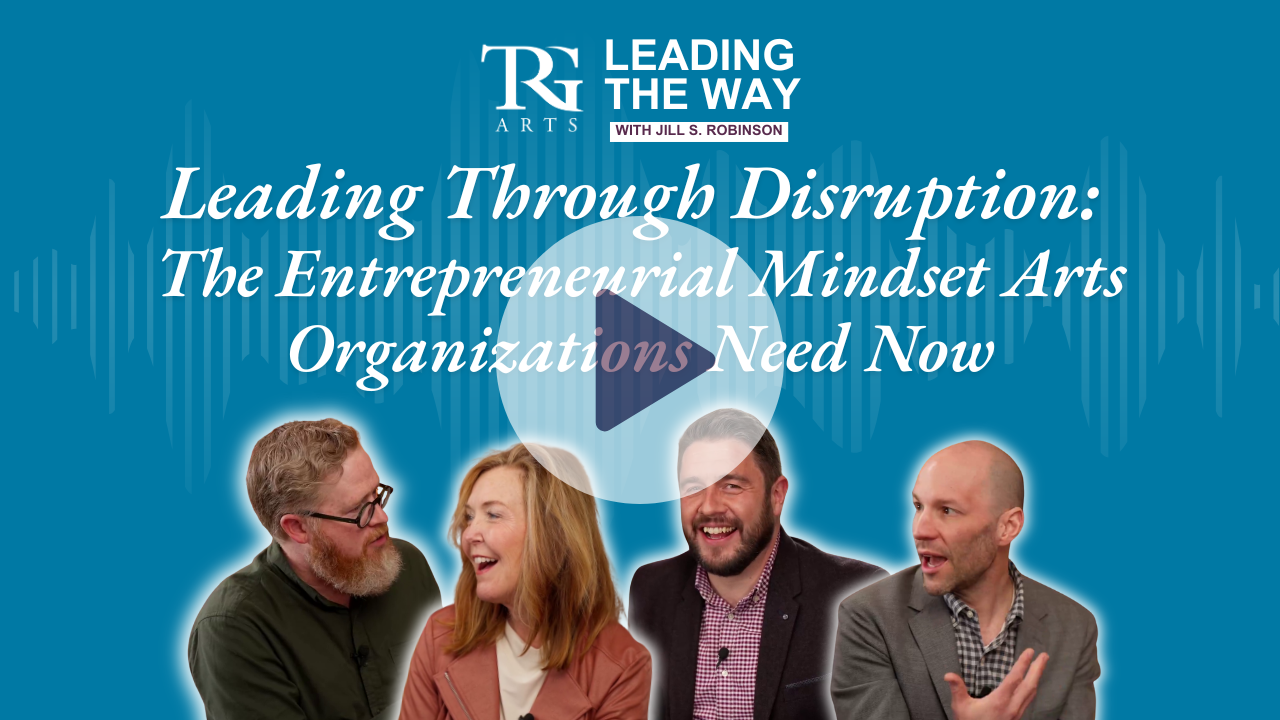
If you’re thinking about what this means for your organization, the full episode of Leading the Way goes further. It explores how leaders are making these choices in real time; where they’re focusing, what they’re changing, and how they’re building more resilient organizations in the process.
If you’re looking for a way to move from pressure to clarity, it’s a strong place to start.