


%20(25).png)
Across the UK arts sector, the story emerging from the latest Arts & Culture Benchmark data is both encouraging and challenging.
Encouraging because audiences are returning. Challenging because the financial recovery is not keeping pace.
In our recent TRG webinar, Senior Consultant Brad Carlin analysed data from 107 UK arts organisations and found clear signs that audience engagement is rebounding after the pandemic. But the deeper behavioural trends reveal why many organisations still feel financial pressure despite fuller houses.
The headline? Audiences are coming back, but the economics of attendance have changed. Here are four key insights shaping the sector’s reality as we move through 2026.
1. Audience Relationships Have Recovered, and Grown Slightly
The first piece of good news is simple: more people are engaging with arts organisations again.
Compared with pre-pandemic levels, the number of bookers purchasing tickets has slightly increased. In fact, benchmark organisations saw about 2% more bookers in 2025 than in 2018, alongside a small increase in how frequently those audiences are transacting.
This suggests the sector has broadly recovered its audience base. But the deeper insight isn’t just about people returning. It’s about how they’re attending.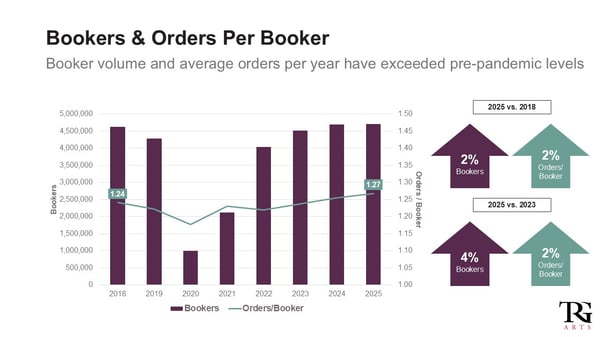
Graph 1: Bookers and Orders per Booker (2018–2025)
Why this matters:
More people attending, and attending more frequently, should translate into stronger ticket revenue. But that’s not quite what’s happening.
2. The “Smaller Basket” Problem Is Reshaping Ticket Sales
While organisations are seeing more orders, those orders now contain fewer tickets.
In other words:
- More people are buying tickets
- More transactions are happening
- But each purchase quantity is smaller
This decline in tickets per order has been consistent since 2018 and continued throughout the recovery period.
Why might this be happening? A few likely factors could be shaping behaviour:
- A shift away from group attendance
- Cost-of-living pressures on households
- The rise of solo attendance and independent cultural experiences
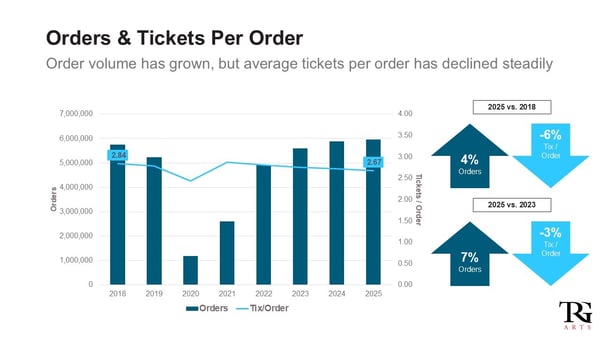
Graph 2: Orders vs Tickets per Order (2018–2025)
Why this matters:
When smaller order sizes combine with inflation pressures, organisations can end up with more engagement but less revenue growth.
3. Ticket Yield Hasn’t Kept Up With Inflation
Another structural pressure is showing up in the data: average ticket revenue hasn’t kept pace with inflation.
Across the benchmark:
- Inflation-adjusted ticket revenue per seat is about 2% lower in 2025 than in 2018.
- Meanwhile, many organisations have seen operating costs increase 35–40% over the same period.
That gap puts real strain on operating models. Even as audiences return, organisations are often earning less per ticket in real terms than they were before the pandemic.
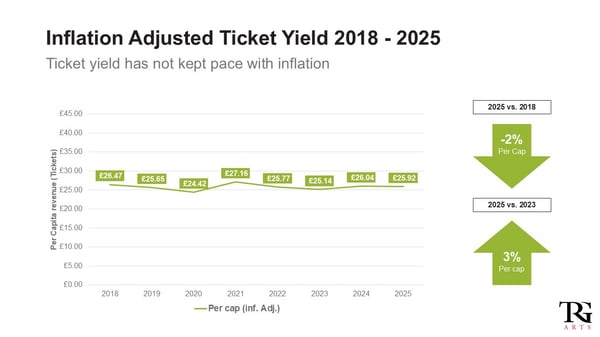
Graph 3: Inflation-Adjusted Ticket Yield (2018–2025)
Graph 4: Inflation-adjusted Ticket Yield by Benchmark Group (2018-2025)
The result? A sector that is working harder to fill seats, but struggling to convert that engagement into sustainable income.
4. Retention Still Holds the Biggest Opportunity
The data reinforces something many arts leaders already suspect: Retention is the sector’s biggest growth opportunity.
Currently:
- Around 70% of bookers attend only one event per year.
- Only 17% of new bookers return within 18 months.
- But audiences who have previously engaged are three times more likely to return.
That gap highlights where the biggest opportunity lies. Not simply attracting new audiences, but deepening relationships with the ones you already have.
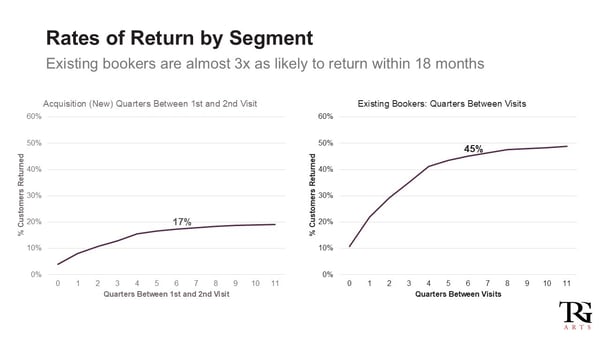 Graph 5: Return Rates — New vs Existing Bookers
This data shows dramatically higher repeat behaviour (recency and frequency) from audiences with an established relationship. This is why relationship strategy (not just acquisition strategy) is becoming central to sustainable growth.
What Is Your Data Telling You?
Every organisation’s audience story is different.
The benchmark can show sector trends, but the real opportunity comes from understanding your own audience behaviour.
Questions worth asking right now:
- How many of your customers have a future booking?
- Are your audiences attending more frequently, or just once a year?
- Where is your organisation over-reliant on acquisition instead of retention?
- And what would happen to revenue if frequency increased?
These answers already exist in your data. The challenge is turning that data into action.
If you’d like to explore what these trends mean for your organisation (and where the biggest opportunities lie) we’d be happy to help.
Book a conversation with the TRG team and we’ll walk through your audience data together to identify practical opportunities to strengthen relationships and grow revenue through 2026.
